World model developers maintain quiet approach to commercialization
Leading world model enterprises are keeping their product plans and timelines strictly under wraps. As researchers focus on spatial intelligence, a lack of public roadmaps helps delay inevitable market competition.
Published by Jin · 2 min read · 21 SEPT 2026
- 2024
World models represent one of the most intriguing and mysterious areas in artificial intelligence development. Prominent organizations in this sector, including Yann LeCun’s AMI Labs and Fei-Fei Li’s World Labs, have accumulated substantial funding and industry buzz. However, they currently rank low on immediate commercial revenue generation as they focus heavily on foundational research and spatial intelligence.
The current state of development
At their core, world models aim to automate spatial intelligence for applications spanning robotics, interactive video, and autonomous driving systems. Yet, specific details regarding upcoming commercial products remain sparse across the industry.
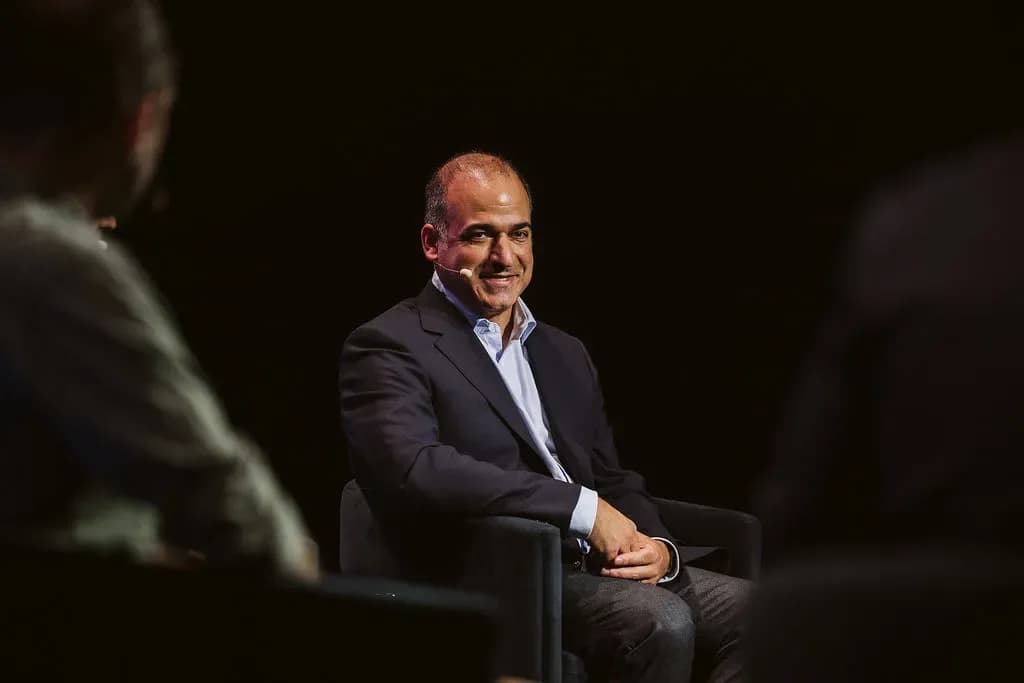
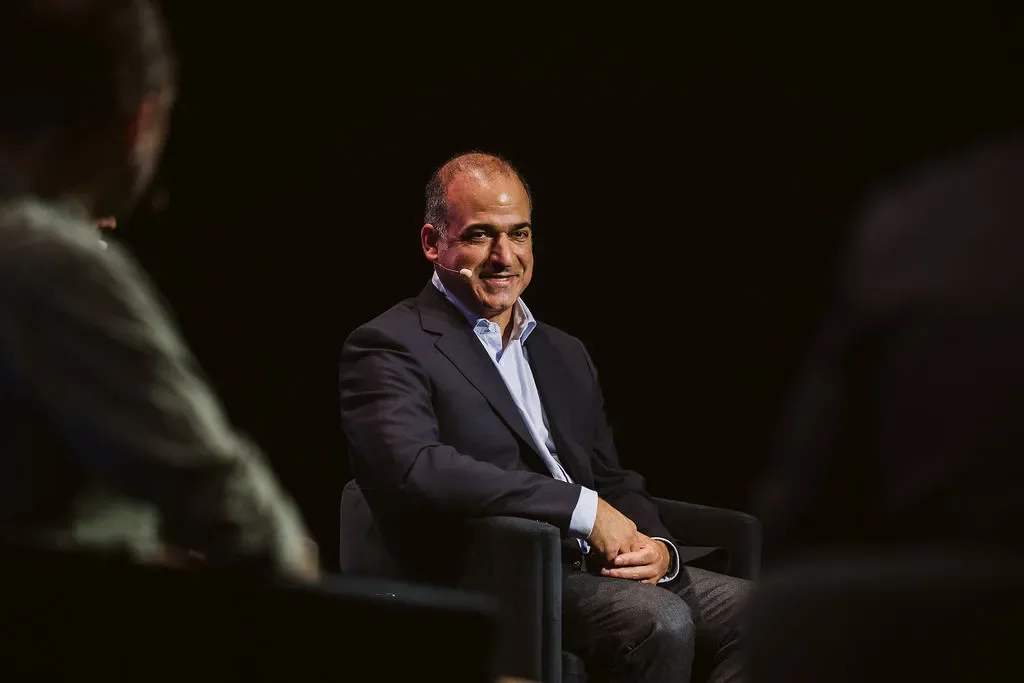
Michael Rabbat, co-founder and VP of World Models at AMI Labs, noted that the organization remains in a research and building phase without public product timelines. This cautious approach is widespread. Even hardware and data suppliers, such as Physicl CEO Alex de Vigan, report receiving limited insight into how their supplied datasets are utilized by the major model developers.
Strategic secrecy and competition
Part of this secrecy stems from the vast versatility of world-modeling technology. The same architectural approach that helps an autonomous vehicle navigate complex traffic can also assist humanoid robots in manipulation tasks or transform standard video footage into explorable digital environments.
AMI Labs has already explored diverse sectors, including manufacturing, biomedicine, robotics, and specialized medical software through partnerships like Nabia. While numerous viable business models exist, maintaining secrecy offers a distinct strategic advantage.
By keeping development details private, these organizations delay potential competition from rival labs, neolabs, and larger enterprise players such as OpenAI and Anthropic. In a well-funded ecosystem where competitors can quickly scale up with similar capital, remaining quiet serves as a deliberate mechanism to protect early positioning in the market.
Source — Original announcement ↗
Worth a read?
Comments · 0