MIT researchers improve climate model training using synthetic data
Researchers at MIT, ETH Zurich, and Imperial College London have developed a new method for training artificial intelligence climate models using extreme synthetic data.
2 min read, Wednesday, 25 November
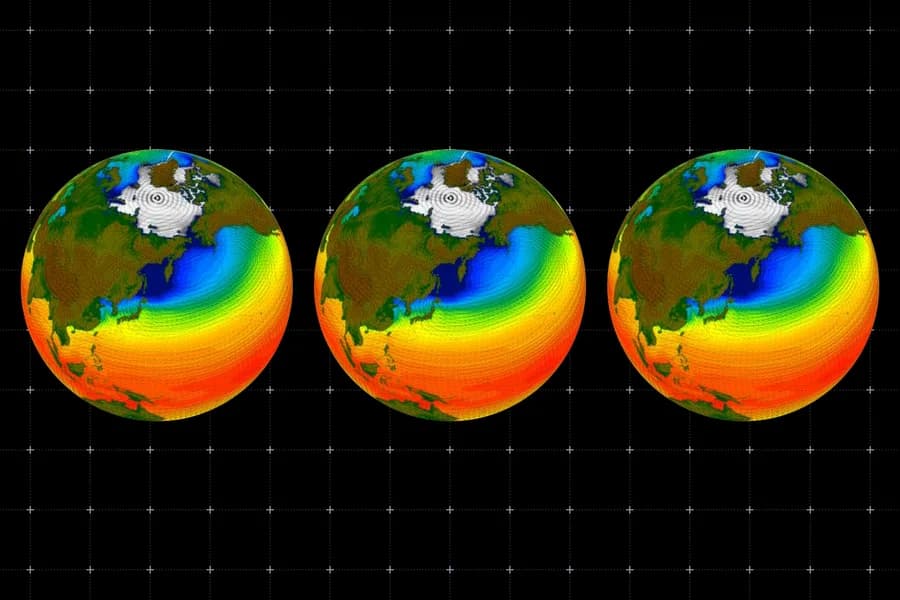
Researchers have developed a new method that makes training artificial intelligence climate models faster, cheaper, and more reliable. According to recent announcements, these emulators—computer programs designed to mimic complex physical systems—now need only a fraction of the data typically required for training.
Traditionally, researchers rely on massive, physics-based climate simulations that take months to run a single scenario on supercomputers. Fast artificial intelligence models can mimic these simulations in seconds and help plan power grids, public health measures, and agriculture. However, training those models previously required six to eight runs of large simulations using evenly distributed, realistic future scenarios. That process took so long that the finished models were often outdated by the time they were ready, and they frequently failed when presented with unfamiliar situations.
Key facts
- Lead author
- Christopher Womack
- Senior author
- Noelle E. Selin
- Publication
- Proceedings of the National Academy of Sciences
- Project
- Bringing Computation to the Climate Challenge (BC3)
- Support
- Schmidt Sciences through the MIT Grand Challenges
A new approach with extreme data
To solve this problem, an algorithm built by a team from the Massachusetts Institute of Technology, ETH Zurich, and Imperial College London uses synthetic training data with extreme swings instead of realistic scenarios.
This approach uses sudden shifts, such as a sharp carbon dioxide spike in the year 2050 or a sudden drop in methane levels in 2037. These targeted spikes help the artificial intelligence understand the underlying climate system far more precisely than standard training methods.
Practical benefits for climate planning
Using this targeted approach, a single simulation run is enough for training the model. The resulting artificial intelligence can also reliably calculate the effects of local environmental policies.
This development addresses a major bottleneck in environmental modeling. By cutting down the time and data needed to build accurate emulators, researchers and policy planners can evaluate future climate scenarios and local interventions much faster than before.
Source: Original announcement
Worth a read?



Comments