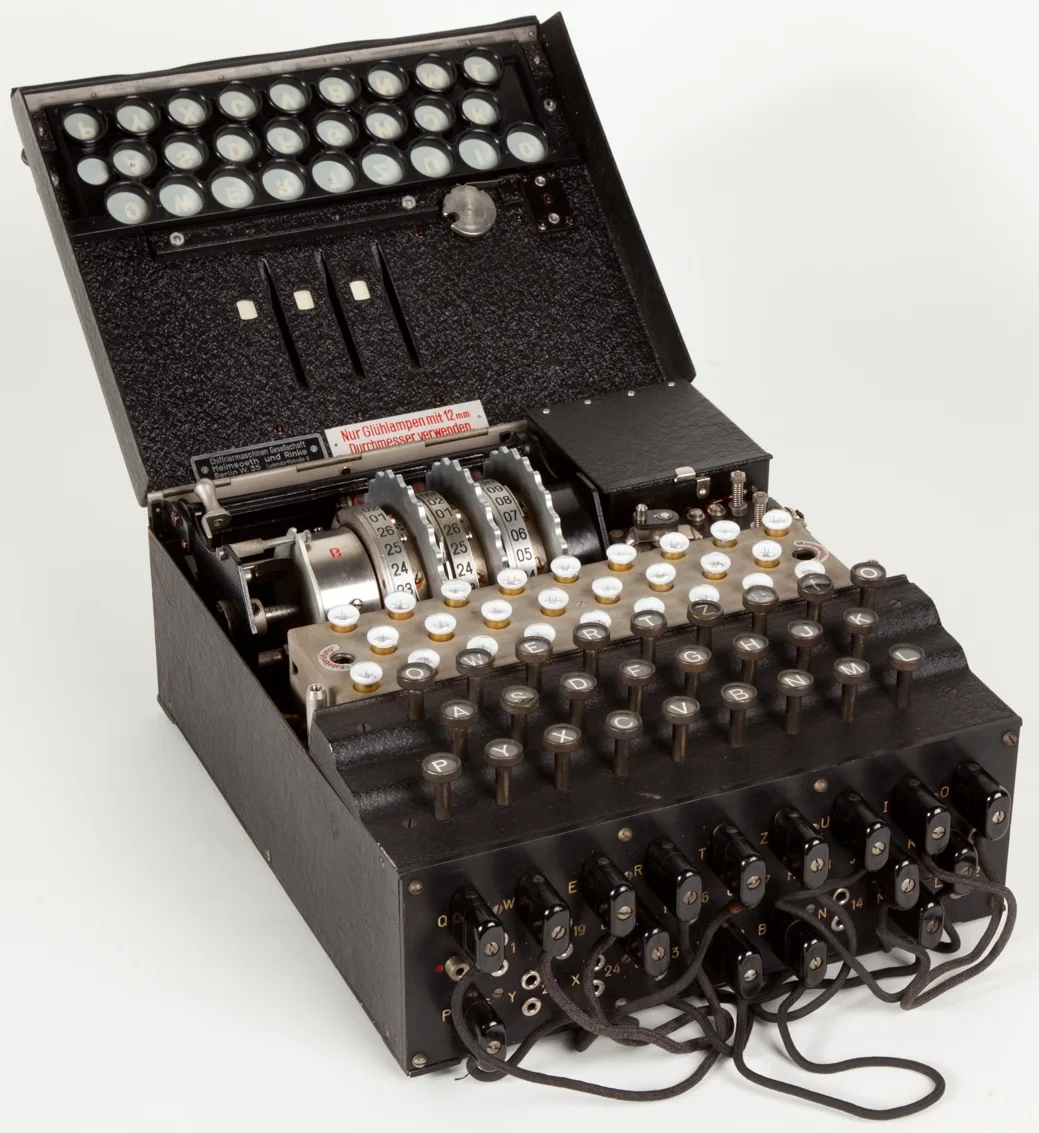
Large language models decode historical Enigma ciphers
Recent experiments demonstrate that advanced artificial intelligence models can successfully decode long-unsolved Enigma cipher messages. Researchers verified these findings, noting that the technology performs complex archival research at unprecedented speeds.
Published by Jin · 2 min read · 26 SEPT 2026
- 23 June 1912
- 7 June 1954
- Princeton University
- King's College, Cambridge
Alan Turing is historically celebrated for his pioneering work on artificial intelligence and his role in cracking the Enigma code used by Nazi Germany during World War II. While Turing and his team developed the electromechanical Bombe to translate intercepted communications, a small number of archival Enigma messages remained unbroken for decades due to human transmission errors or mistranscriptions.
Recently, cryptanalysts successfully utilized large language models from OpenAI and Anthropic to solve two of these persistent ciphers.
Decoding historic messages
Developer Carter Leffen tasked OpenAI's Astra model with searching a database of Enigma messages to identify and decode an unbroken entry. The system conducted archival research, identified contextual clues, constructed a functional Enigma machine simulator, and ultimately recovered the plaintext of a message that had baffled researchers since 2005.
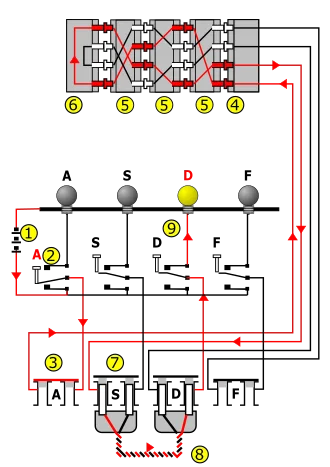
Frode Weierud, a retired electrical engineer and cryptology archivist who maintains the Crypto Cellar database, validated the solution. He noted that the model operated with the proficiency of a professional cryptanalyst and archive researcher, completing in two days what typically requires weeks or months of human effort.
Source — Original announcement ↗
Worth a read?
Comments · 0