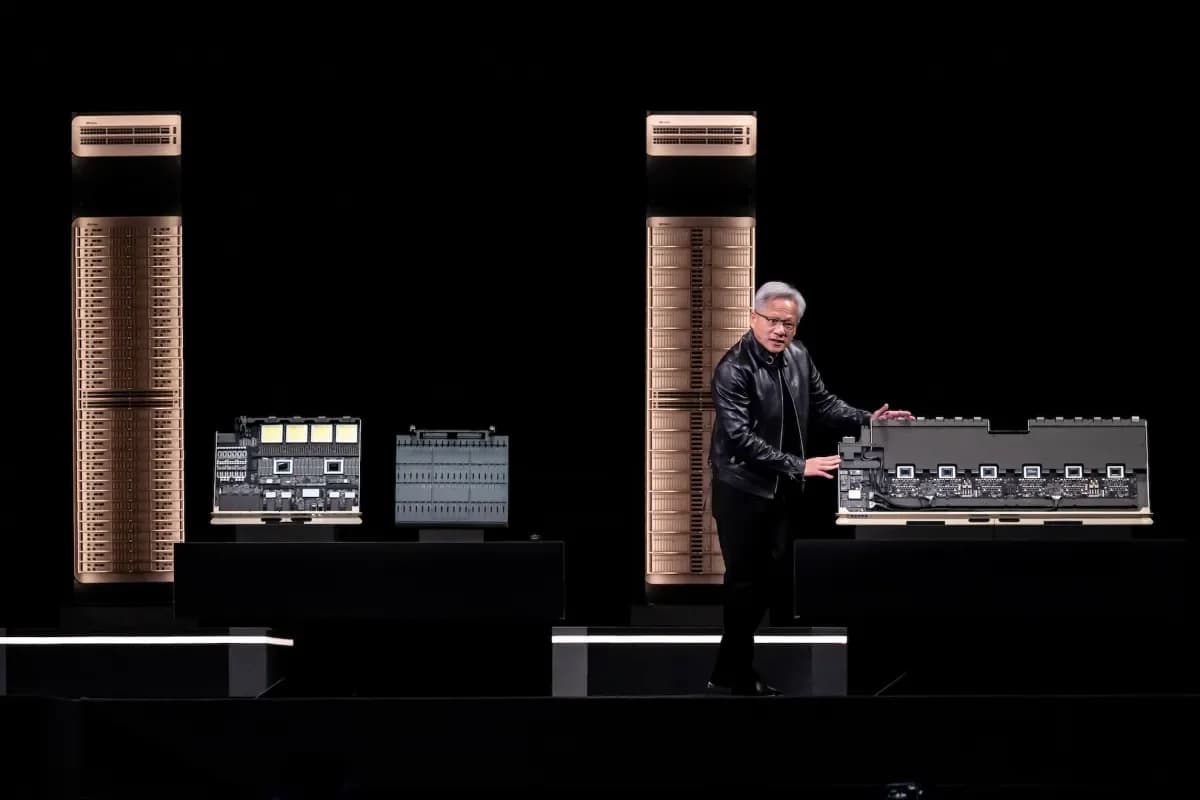
Nvidia shifts focus from pure GPUs to system orchestration
As artificial intelligence infrastructure scales toward gigawatt levels, the industry is realizing that Nvidia's primary competitive advantage extends well beyond individual graphics processors. System orchestration and data movement have emerged as the new battlegrounds for efficiency.
Published by Jin · 2 min read · 30 AUG 2026
For the first few years of the artificial intelligence boom, the dominant narrative surrounding Nvidia centered entirely on its dominance in state-of-the-art graphics processing units. As hyperscale cloud providers increasingly design their own specialized silicon, market observers frequently question the long-term durability of that hardware advantage.
Following recent earnings reports, however, a broader perspective has taken shape across the industry. As artificial intelligence compute scales toward the gigawatt level, orchestrating massive workloads has introduced severe operational complexity. Nvidia has engineered much of the surrounding infrastructure required to manage these environments, positioning the company to compete across an entire ecosystem rather than just individual processors.
The challenge of scale
Operating a megascale data center at peak efficiency remains exceptionally difficult. As deployments expand in size and speed, managing the flow of data becomes just as critical as raw processing power.
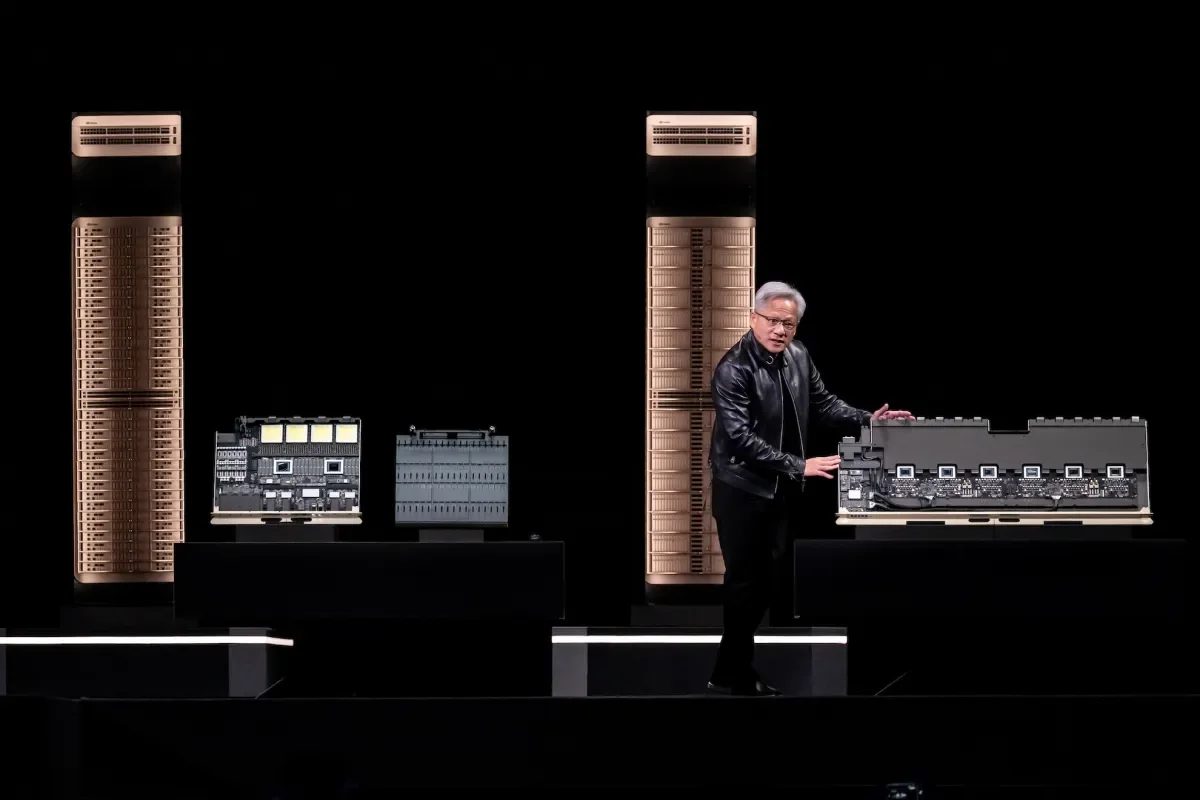
This shift is visible in newer hardware rollouts, such as the Vera Rubin architecture. Rather than focusing solely on compute units, these systems incorporate specialized processors, storage units, and networking racks designed to keep external operations running smoothly. If the graphics processor functions as the engine, these surrounding components act as the transmission and steering.
Orchestrating data movement
Data management presents a significant bottleneck in modern computing clusters. According to Nvidia leadership, components like the Vera CPU are explicitly engineered to handle data orchestration, preventing memory bottlenecks and maximizing flash storage performance.
Competitors are addressing similar challenges through different methodologies. When OpenAI developed its Jalapeño chip, a primary design goal was to minimize data movement and communication delays by keeping entire workloads within a single connected system.
Whether through integrated chip architecture or sophisticated traffic control systems, the overarching industry goal remains the same: driving tokens-per-watt lower by reducing inefficiencies outside the main processor.
A broader competitive landscape
This emerging focus on data orchestration does not guarantee permanent market dominance for any single entity. Rival chipmakers and major cloud providers are actively developing competing infrastructure to solve the same logistical hurdles.
Nevertheless, this evolution marks a notable shift in the artificial intelligence hardware market. The competitive advantage is no longer determined by who builds the fastest processor alone, but by who can make an entire multi-gigawatt facility operate as a unified, efficient system.
Source — Original announcement ↗
Worth a read?
Comments · 0