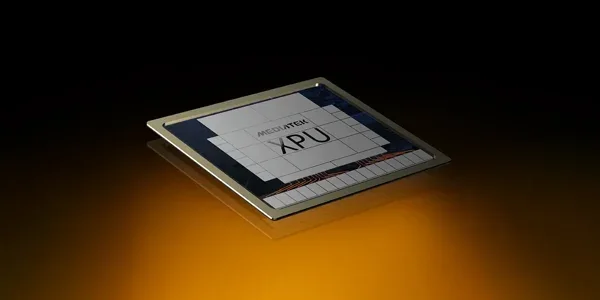
Nvidia invests 3.5 billion dollars in MediaTek to expand custom silicon ecosystem
Nvidia has committed a 3.5 billion dollar investment to Taiwanese chipmaker MediaTek to support custom AI silicon development. This strategic alignment allows Nvidia to secure its data center infrastructure dominance even as major cloud providers build independent hardware.
Published by Jin · 2 min read · 1 SEPT 2026
Nvidia has announced a 3.5 billion dollar investment into Taiwanese chipmaker MediaTek, positioning both companies to address the growing demand for custom AI silicon among major cloud providers and model builders.
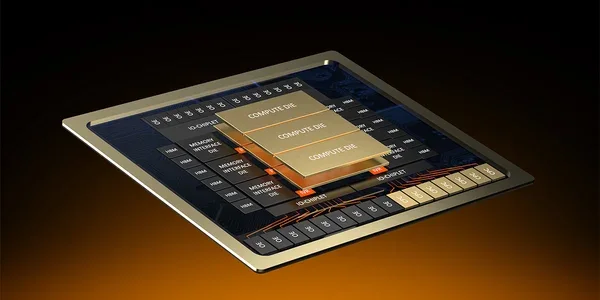
As part of the agreement, MediaTek will adopt Nvidia’s NVLink Fusion technology. This allows custom chips designed for hyperscalers and AI labs to integrate directly into Nvidia-based data centers, ensuring standard architectural compatibility across diverse hardware.
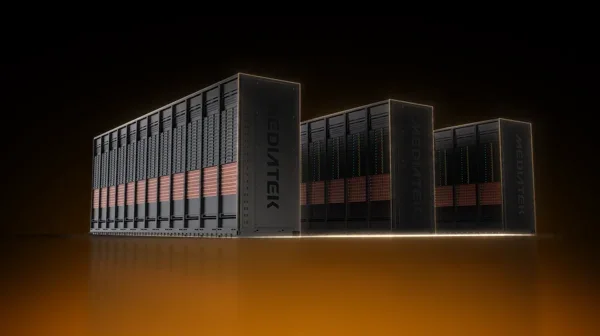
Adapting to custom silicon trends
A growing number of major cloud providers, including Amazon, Google, Microsoft, OpenAI, and Anthropic, have invested in building proprietary chips to reduce reliance on off-the-shelf GPUs. By partnering with MediaTek, Nvidia aims to accommodate the rising wave of custom silicon while maintaining its foundational role in data center scaffolding.
MediaTek has been steadily expanding its custom data center application-specific integrated circuit operations. The company projected in June that this segment will generate 2 billion dollars in revenue by 2026.
Expanding beyond data centers
The partnership also extends into consumer and automotive markets. MediaTek and Nvidia plan to continue collaborating on DGX Spark, a developer-focused desktop AI computer, alongside efforts to integrate Nvidia technologies into consumer AI personal computers.
Furthermore, both companies are developing platforms for software-defined vehicles. MediaTek’s automotive systems utilize Nvidia’s RTX graphics for intelligent vehicle cockpits and work alongside the Nvidia Drive AGX platform for autonomous driving workloads.
By tying diverse hardware ecosystems back to standard rack-scale architecture, the partnership seeks to provide customers with design flexibility while preserving Nvidia’s central position in accelerated computing.
Source — Original announcement ↗
Worth a read?
Comments · 0