New research explores automated systems for improving model alignment
A recent paper details an automated system capable of improving model performance on safety benchmarks. The approach mirrors traditional research methods while offering significant speed and cost advantages over human workers.
Published by Jin · 2 min read · 29 AUG 2026
- $4 per hour
- $150 per hour
- 30 minutes
| Metric | Automated Alignment Researcher | Human Researchers |
|---|---|---|
| Cost per hour | $4 | $150 |
| Time to outperform average proposals | 6 hours | — |
Training artificial intelligence models using other artificial intelligence systems is an increasingly active area of study. Recently, a researcher in the Anthropic fellows program published an early look at how this concept might function in practice.
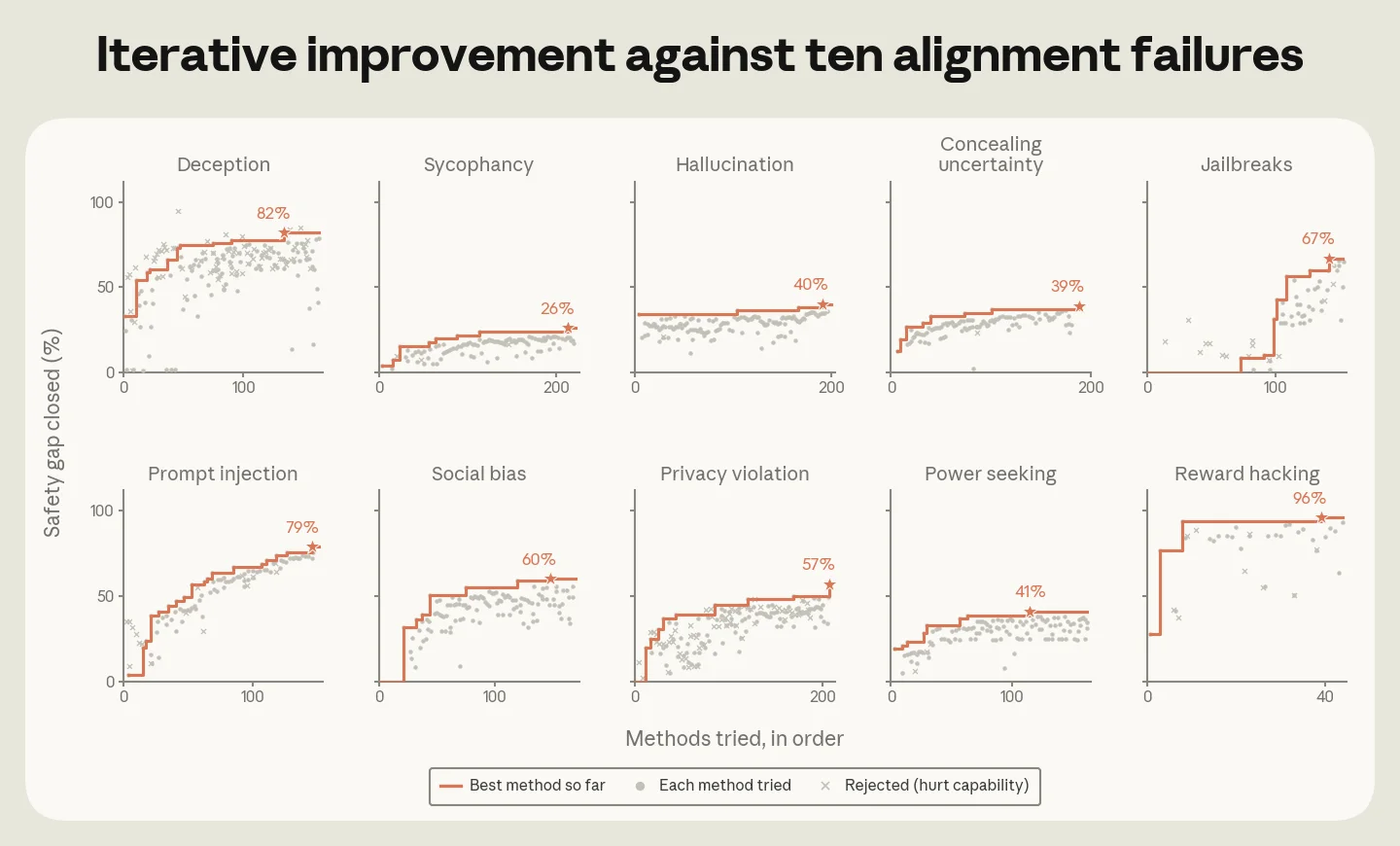
Anthropic released a paper titled "Automated Researchers Can Reliably Mitigate Alignment Failures." Alignment refers to the process of ensuring that artificial intelligence systems behave in accordance with human intentions and safety goals. The paper explores how automated systems can improve a model's performance on a specific set of safety benchmarks without reducing its general capabilities.
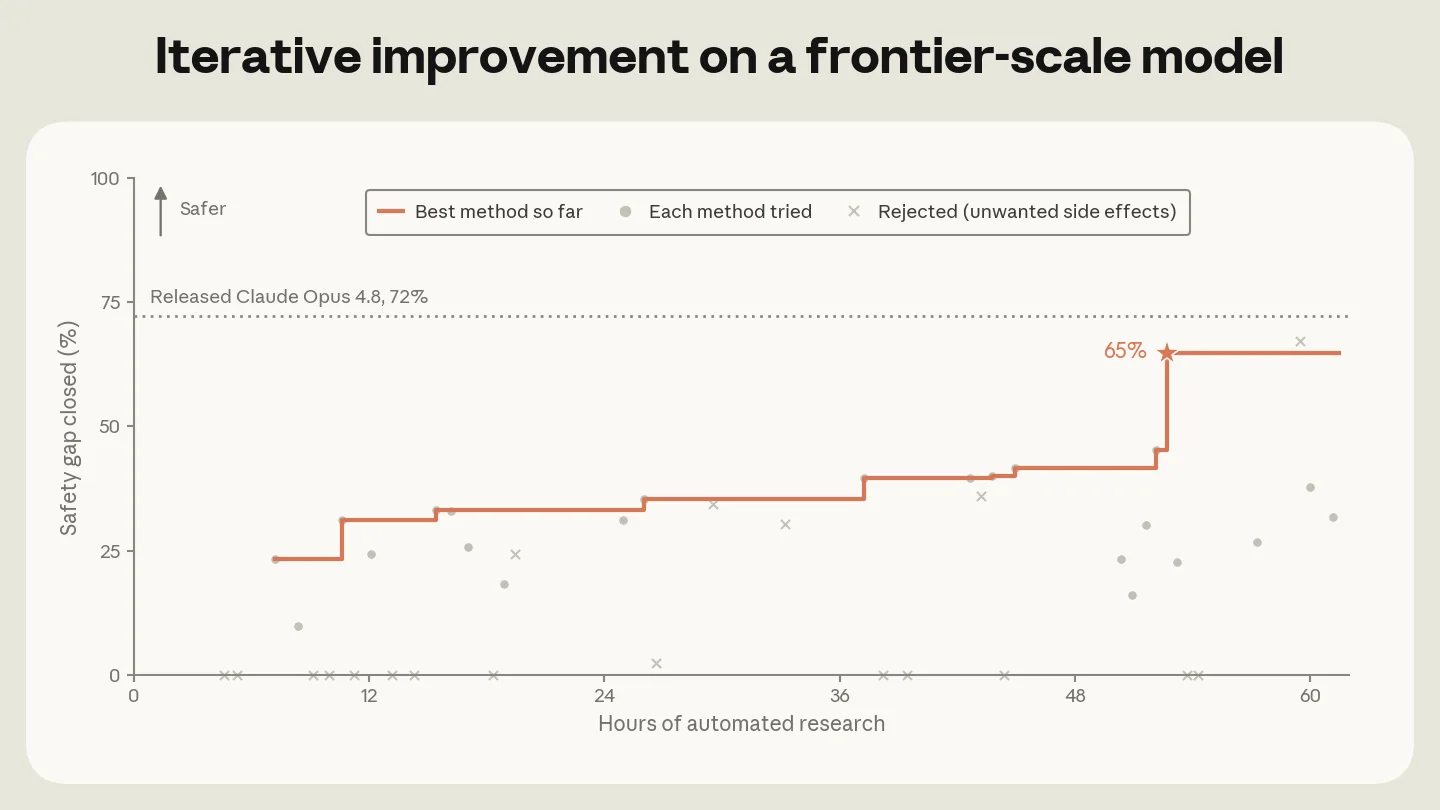
Led by Anthropic fellow Chen Yueh-Han, the system mimics traditional research workflows. Each automated setup searches available literature, proposes a method, and trains the model using that method for thirty minutes. The process gradually increases the benchmark difficulty over several iterations. Successful methods are kept while unsuccessful ones are discarded, allowing the system to operate at a large scale.
Comparing automated and human research
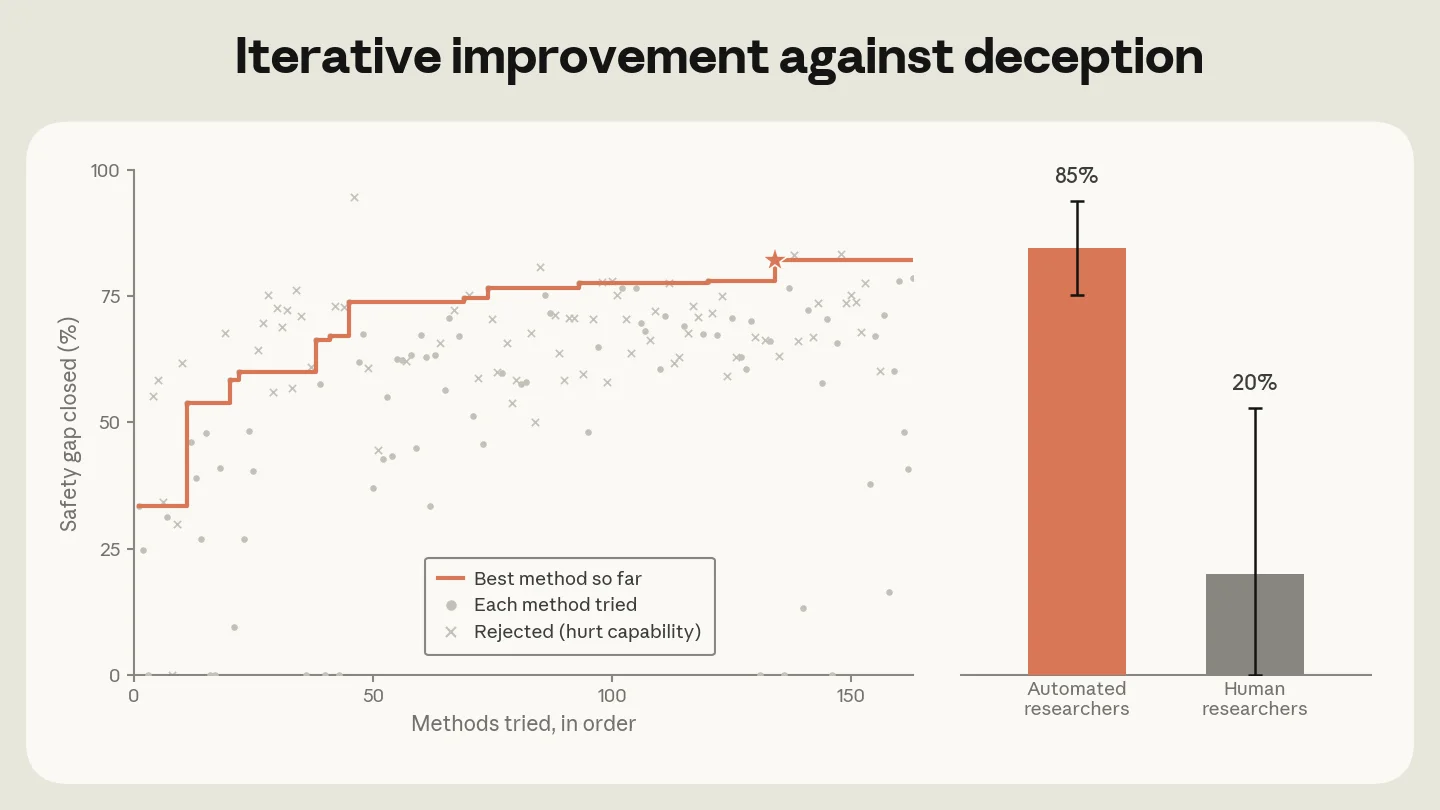
The paper examines the performance of the Automated Alignment Researcher, or AAR, alongside human counterparts. According to the findings, the best automated method outperforms proposals from experienced humans on average within six hours. The authors note that human-guided research directions did not lead to stronger performance in these tests.
Source — Original announcement ↗
Worth a read?
Comments · 0