Fifteen years of artificial intelligence research in interactive game environments
Digital gaming environments have long served as primary testing grounds for advanced artificial intelligence research. Recent partnerships with developers aim to prototype new gameplay experiences while pushing the boundaries of machine learning capabilities.
Published by Jin · 2 min read · 22 AUG 2026
- $120 million USD
- over $70M
- 1997
- Vatnsmýrin, Iceland
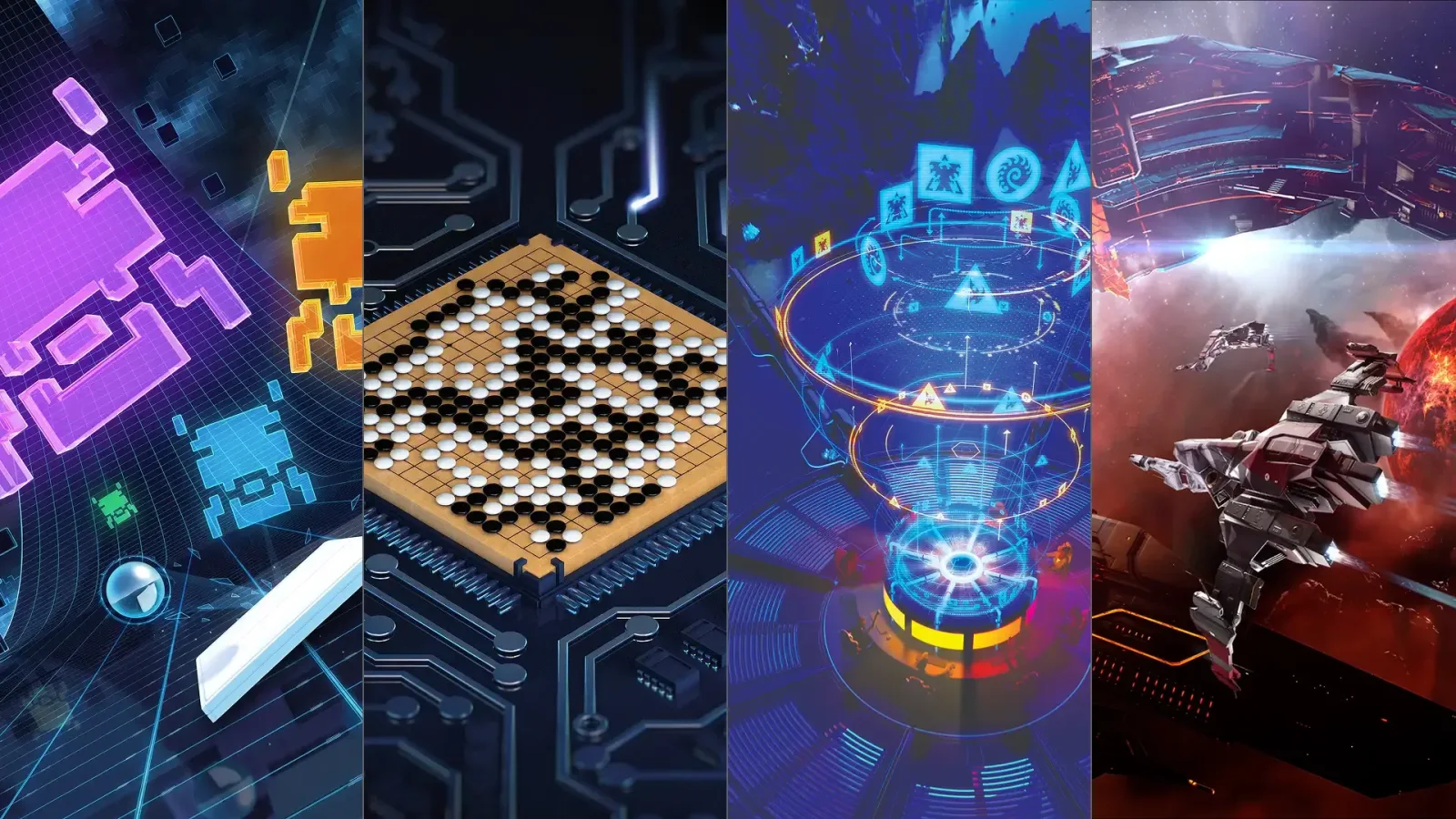
For over a decade, constrained yet rich virtual worlds have played a critical role in understanding machine intelligence. From early milestones involving classic arcade systems to strategic board games and complex real-time simulations, interactive environments continue to serve as the foundation for significant algorithmic breakthroughs.
Games as the engine of research
The modern era of deep reinforcement learning began when neural networks learned to play Atari 2600 games directly from raw pixels without specific engineering. Subsequent milestones demonstrated that algorithms could master complex domains through self-play and generalized approaches. These systems successfully navigated hidden information, real-time mechanics, and vast strategy spaces, occasionally overturning centuries of human strategic wisdom.
Beyond entertainment, the exploratory spirit forged in these digital landscapes has yielded profound impacts for broader scientific challenges. Methodologies developed for virtual boards directly contributed to solving decades-old grand challenges in biological structure prediction.
Moving toward generalist agents
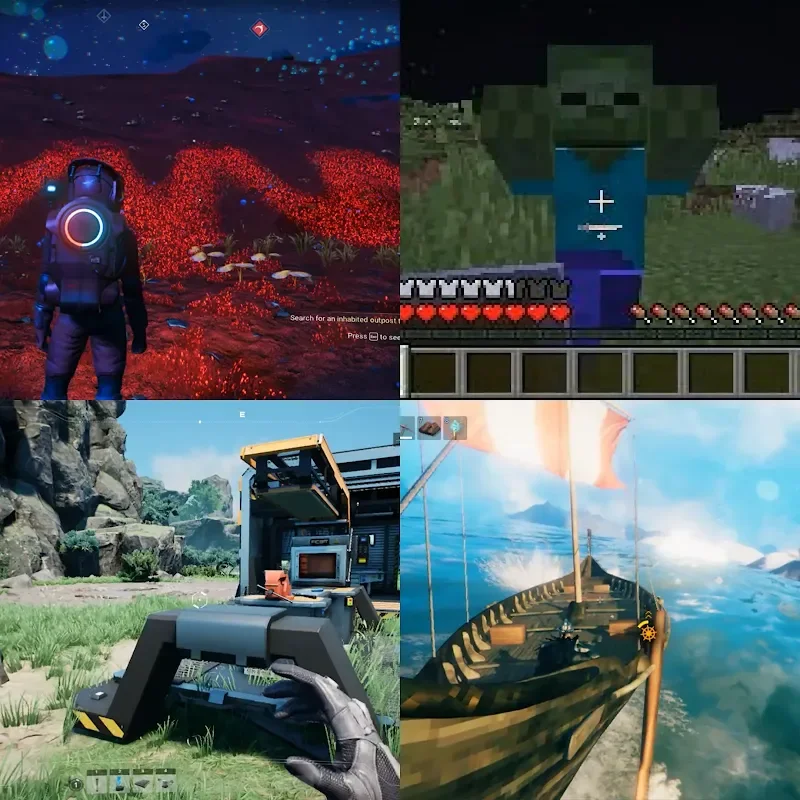
While mastering structured environments with clear objectives proved successful, the real world rarely provides explicit scoreboards and rigid rule books. This realization prompted a shift toward understanding how autonomous systems can interact with any virtual world the way a person would. Rather than optimizing purely for numerical scores, recent agent architectures rely on visual perception, natural language instructions, and standard control schemes without requiring direct access to underlying source code.
Exploring persistent universes
Recent collaborations with game studios integrate frontier models into massive multiplayer space simulations. Persistent virtual economies spanning thousands of star systems present unique challenges for artificial intelligence, including:
Source — Original announcement ↗
Worth a read?
Comments · 0