Caterpillar applies lessons from industrial automation to enterprise artificial intelligence
Drawing on decades of experience with autonomous machinery in the mining sector, industrial heavyweight Caterpillar is expanding artificial intelligence across its operations and customer tools. The company is pairing proprietary fleet data with significant workforce training investments to integrate physical and digital automation.
Published by Jin · 2 min read · 31 AUG 2026
- US$100m over five years
- up to US$10m
- 17,000
- 298,000
Nearly every organization attempting to deploy artificial intelligence encounters the same fundamental challenge: integrating advanced technology into everyday operational workflows. Industrial manufacturer Caterpillar has spent decades addressing a parallel version of that challenge in the physical world and is now applying those lessons to software and enterprise automation.
The path from autonomous mining to dynamic jobsites
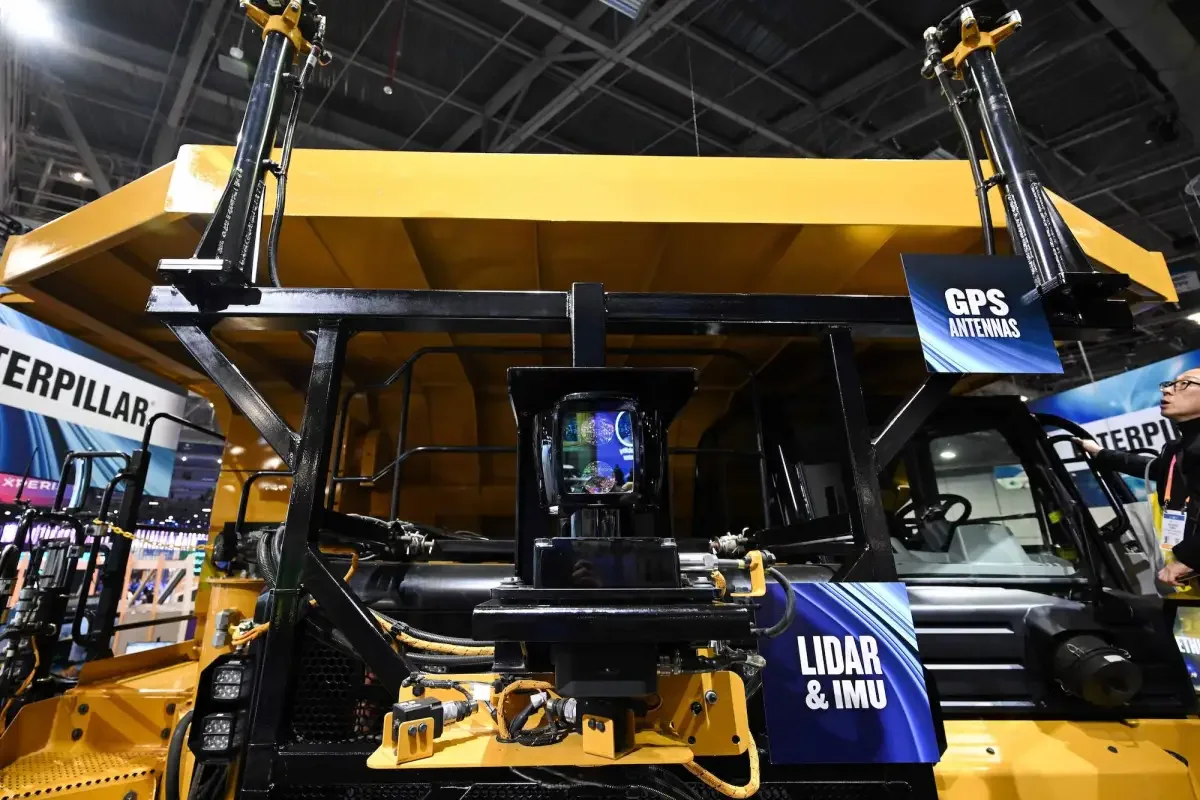
Caterpillar's push into autonomous systems began in the mining sector, where labor shortages and hazardous conditions made automation a necessity. Today, the company commercializes automated haul trucks, drilling rigs, underground loaders, and dozers alongside remote command centers and fleet management software. According to company leadership, the insights gathered from structured mining environments are now being translated into more dynamic settings such as construction sites and quarries.
This industrial expertise is informing newer deployments, including the Cat AI Assistant. Designed for technicians working directly beside heavy equipment, the voice-activated tool allows operators to retrieve repair procedures, troubleshoot issues, and identify replacement parts prior to starting maintenance. The assistant relies on Caterpillar's proprietary database, which encompasses information generated by approximately 1.6 million connected assets globally and over 16 petabytes of structured data.
Internal transformation and workforce investment
Beyond field-facing tools, the company utilizes artificial intelligence to scan manufacturing sites, generate operational digital twins, modernize legacy code, and assist with software testing. However, executive leadership emphasizes that developing the technology represents only part of the equation.
Successfully implementing physical artificial intelligence requires redesigning workflows and determining how personnel collaborate alongside automated systems. To facilitate this transition, Caterpillar leverages the institutional knowledge of experienced operators to train its models. As machines assume more autonomous tasks, human operators increasingly shift from direct machine control to overseeing multiple units from remote command centers.
Source — Original announcement ↗
Worth a read?
Comments · 0