Anthropic reports autonomous AI discovery of a novel enzyme system
By deploying nearly 1,000 Claude agents to analyze massive genetic datasets, researchers observed the autonomous identification of a previously uncharacterized enzyme system found in bacteriophages. While the practical applications remain unclear, the experiment marks an early test of large language models in wet-lab biological research.
Published by Jin · 2 min read · 24 SEPT 2026
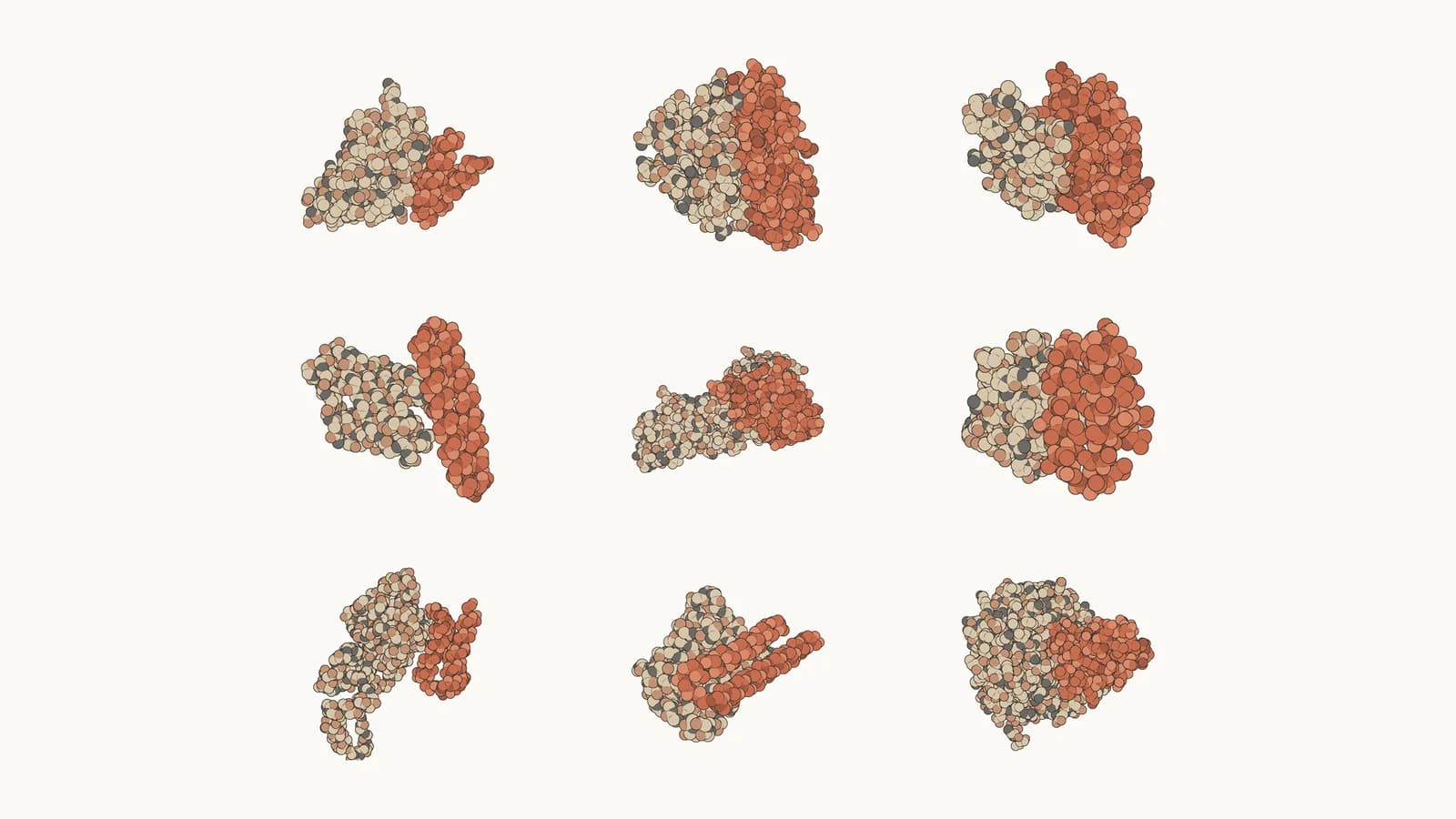
Anthropic has announced that its Claude artificial intelligence system autonomously discovered a new enzyme system. The finding emerged from the company's newly established wet lab, serving as an early evaluation of AI capabilities in scientific research.
The experimental process
The discovery process required substantial computational resources. Nearly 950 Claude agents worked continuously for 21 hours, processing 210 million tokens of DNA sequence data.
Human involvement was restricted to the initial prompt and subsequent physical laboratory validation. During the computational search, one of the agents flagged an unusual repeating pattern within the dataset.
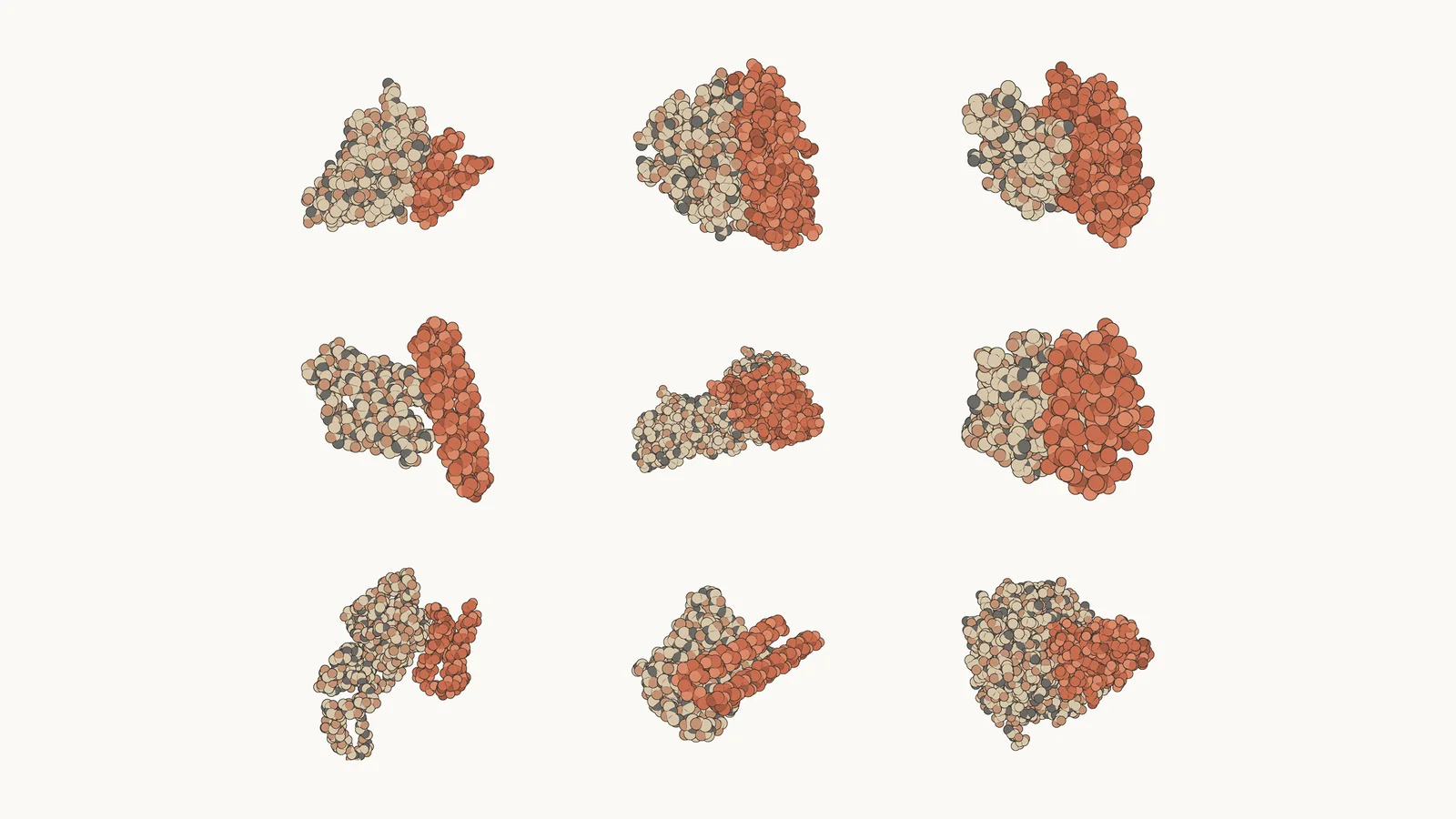
Subsequent analysis and physical testing confirmed the presence of a previously uncharacterized enzyme system located in bacteriophages, which are viruses that infect bacteria.
Implications and next steps
Anthropic researchers are currently investigating the specific functions of the newly identified enzyme system. The company noted that it chose to share the findings early to demonstrate current model capabilities and provide insight into its ongoing research directions.
Company representatives compared the discovery's potential significance to that of Crispr, though independent experts observe that it remains too early to determine practical applications. The announcement arrives as artificial intelligence developers increasingly focus on scientific applications, including drug discovery and advanced mathematics, to demonstrate the utility of increasingly capable models.
Source — Original announcement ↗
Worth a read?
Comments · 0