Anthropic introduces Claude Fable 5.2 and its stroke based painting method
Anthropic has introduced Claude Fable 5.2, a language model that creates complex paintings by writing Python code to place hundreds of thousands of individual brushstrokes on a virtual canvas.
2 min read, Sunday, 15 November
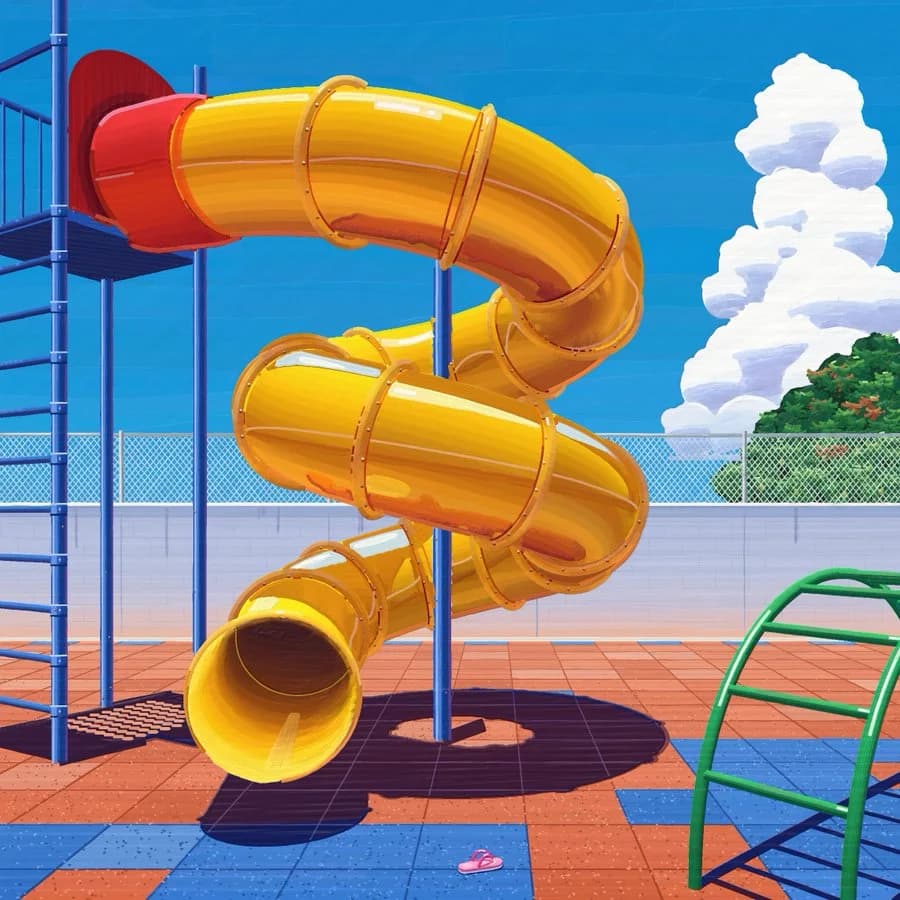
Anthropic has introduced Claude Fable 5.2, a new language model that approaches visual creation through physical simulation rather than standard image generation. Instead of using diffusion — a technique where a model gradually refines a noisy grid into a clear picture — Fable 5.2 generates images by writing and executing Python code that places individual brushstrokes onto a virtual canvas.
Key facts
- Model
- Claude Fable 5.2
- Parking garage strokes
- 700,000
- Bird painting strokes
- 111
- RoboDojo Sim score (Fable 5.2)
- 64.9 percent
- RoboDojo Sim score (GPT-6 Astra)
- 29.8 percent
- RoboDojo Sim score
- Claude Fable 5.2: 64.9 percent
- GPT-6 Astra: 29.8 percent
- Speed and fine motor control
- Claude Fable 5.2: —
- GPT-6 Astra: Faster
| Metric | Claude Fable 5.2 | GPT-6 Astra |
|---|---|---|
| RoboDojo Sim score | 64.9 percent | 29.8 percent |
| Speed and fine motor control | — | Faster |
Simulating physical painting
The model relies on a simulated paint engine that accounts for bristle texture, wet paint behavior, and canvas interaction. Without an undo button, the system must commit to every action and correct its own mistakes by painting over them, much like a human artist. For example, when a bird painting featured a back that came out too thin, the model layered a bolder stroke over the area, turning stray marks into textured feathers.
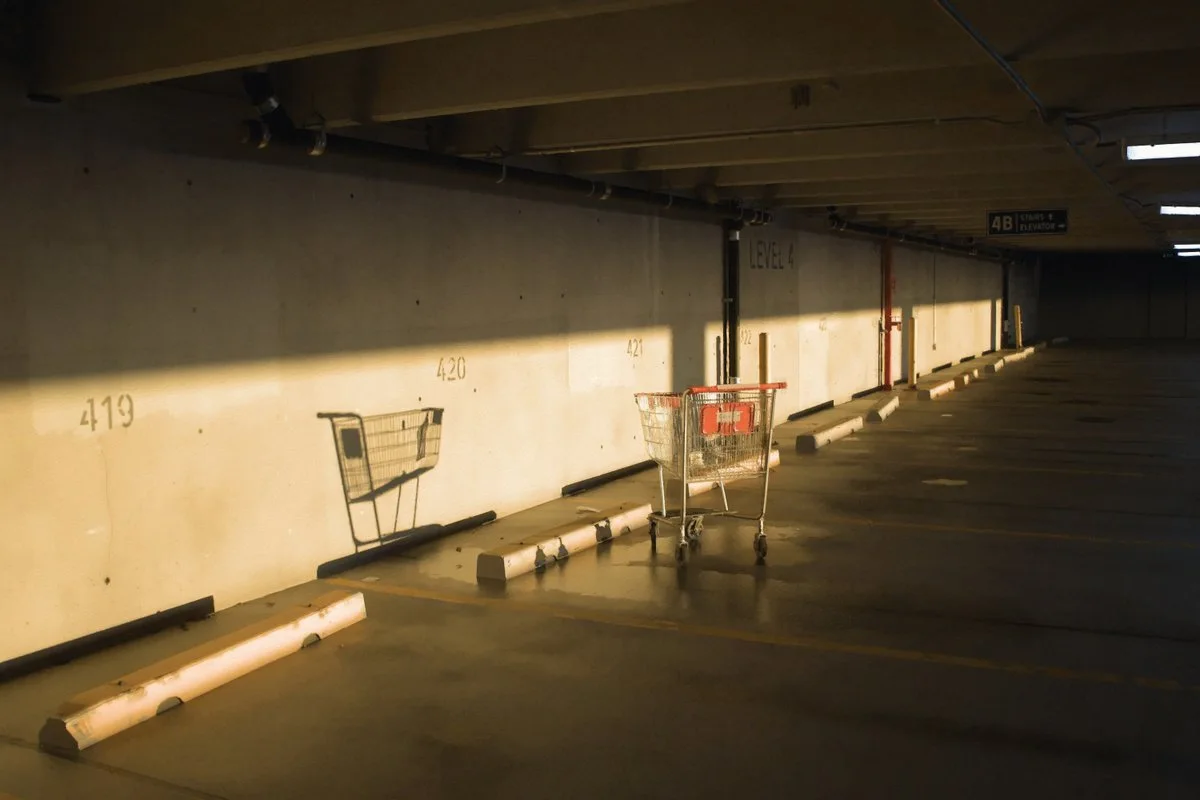
Demonstrations shared by developers at Anthropic showed the scope of the method. One project featured a shopping cart in a parking garage generated using roughly 700,000 simulated brushstrokes from a program of 1,000 to 2,000 lines of code. Another demonstration produced a 21-second video of a bird at sunrise created from exactly 111 coordinate sequences, incorporating subtle imperfections like a seven-pixel wobble to mimic human movement.
Spatial reasoning and robotics
The spatial reasoning required for this virtual painting translates into physical tasks. Fable 5.2 is designed for long-horizon technical challenges and scored 64.9 percent on Anthropic's internal RoboDojo Sim benchmark. In a comparative test involving physical robot arms painting Van Gogh's "The Starry Night," Fable 5.2 outperformed OpenAI's GPT-6 Astra on the benchmark score, though Astra showed faster execution and superior fine motor control during real-world object manipulation.
Source: Original announcement
Worth a read?

Comments