OpenAI introduces software agents for healthcare administration
OpenAI has introduced new software models designed to navigate medical software and insurance portals through simulated mouse clicks and keystrokes.
2 min read, Wednesday, 18 November

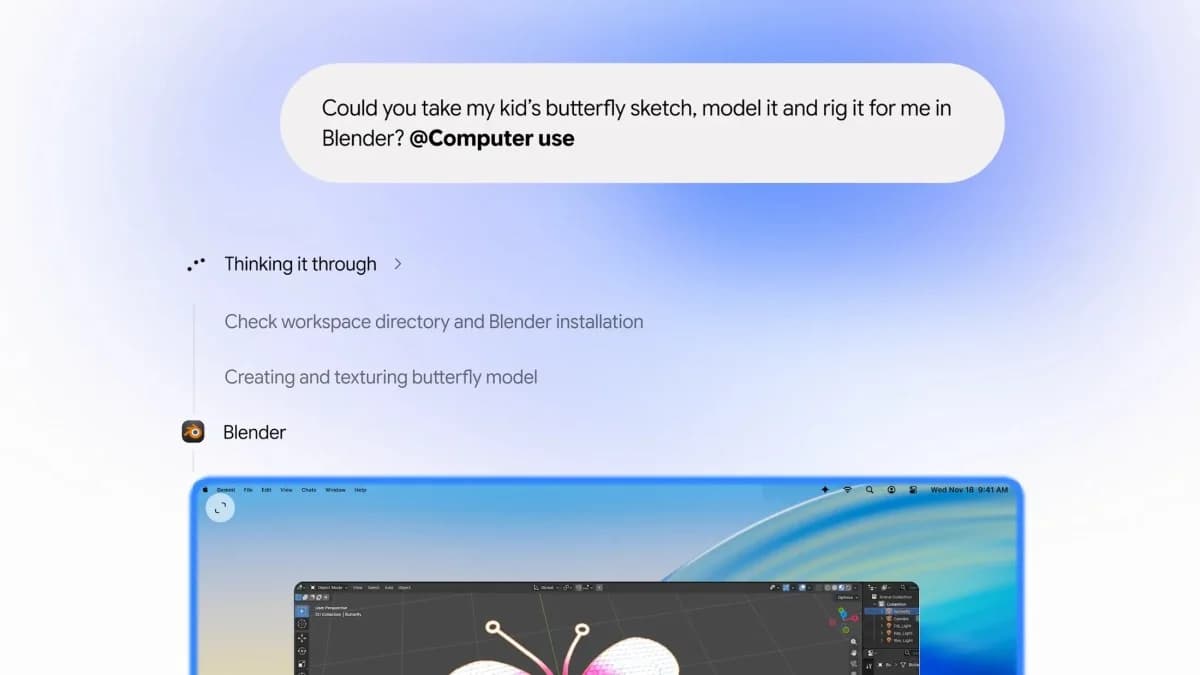
OpenAI has deployed two new software models, GPT-6 Astra and GPT-6 Luna, designed to act as digital clerks within healthcare settings. These models use computer-use technology to operate existing user interfaces through simulated mouse clicks and keystrokes, bypassing the need for traditional software integration interfaces known as APIs.
Key facts
- Year
- 2026
Automating medical paperwork
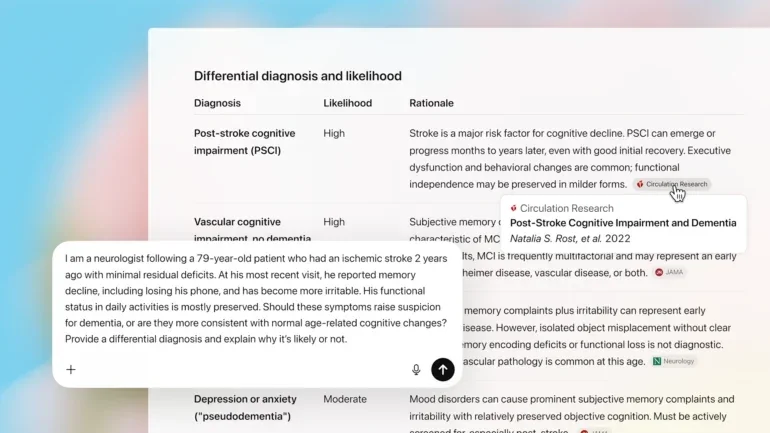
The models are built to handle routine administrative workflows that typically consume significant staff time. When a patient reports back pain, for example, an agent can search prior medical findings, draft an MRI order, prepare a patient reply, and set up a prior authorization request on an insurer portal.
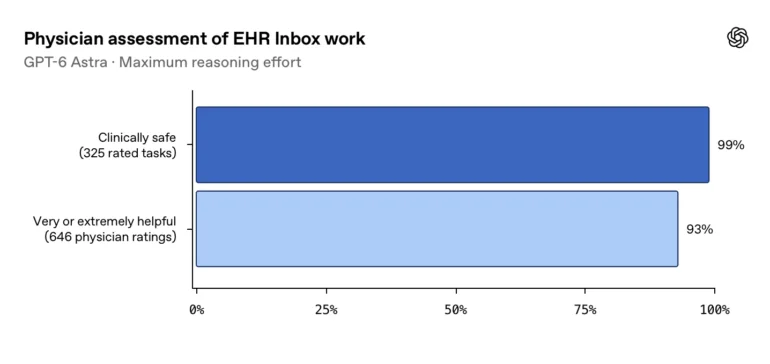
In testing, the models handled tasks such as organizing electronic health record inboxes and preparing medication dosages. Physician reviewers rated a vast majority of the evaluated tasks as clinically safe and helpful. However, all drafts still require review by clinical and administrative staff before final release.
Performance and cost
For structured evaluations, OpenAI points to the HealthAdminBench benchmark created by Stanford University researchers. On this test, GPT-6 Astra scored 94.3 percent, while GPT-6 Luna scored 91.8 percent.
GPT-6 Luna is built for lower operating costs, completing tasks for about 8.5 cents each, which is significantly lower than the cost of running Astra at maximum reasoning effort. Major US companies, including CVS Health and Cigna Healthcare, are already testing or deploying the tools to process referrals and merge patient data across separate systems.
Privacy and compliance
Because the agents interact directly with sensitive health records, data privacy is a central focus. OpenAI states that it does not use organizational customer data to train its base models.
To meet regulatory standards for protected health information in the United States, organizations must sign a Business Associate Agreement and apply specific security settings. The current offering is tailored specifically to the United States market and its compliance requirements, with European privacy regulations not yet addressed in the deployment plans.
Source: Original announcement
Worth a read?


Comments