Meta develops personal AI agent Muse for hardware integration
Recent developments in consumer artificial intelligence highlight shifting hardware strategies among major technology firms.
2 min read, Saturday, 26 September
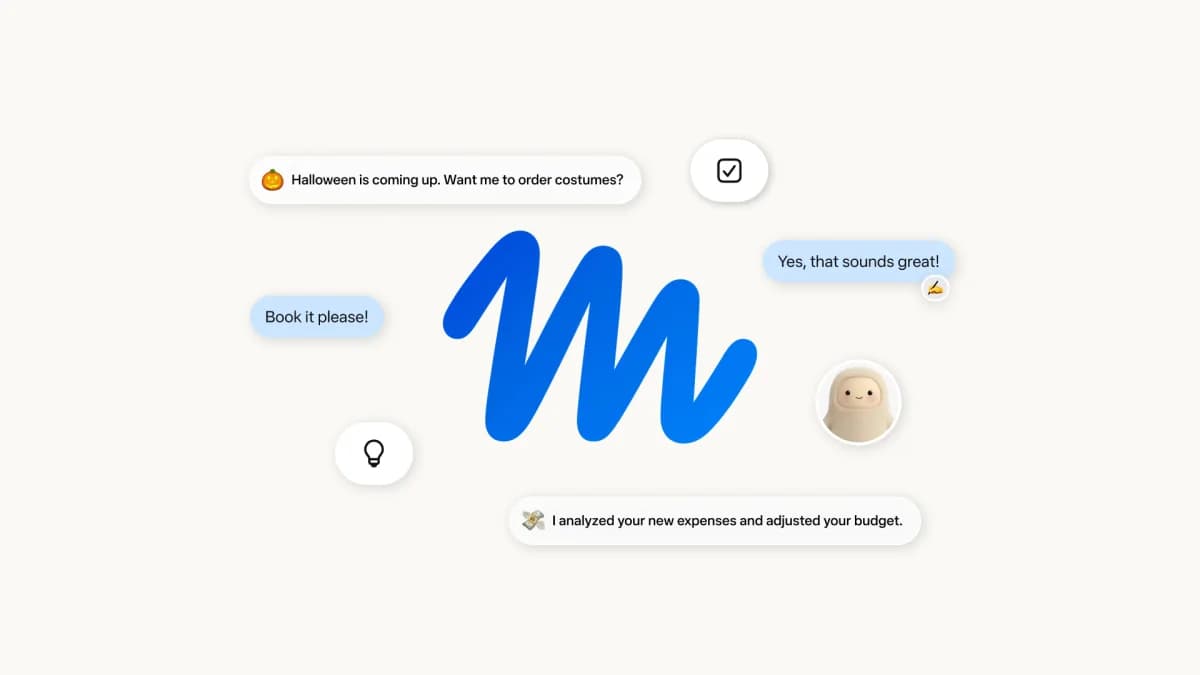
Recent industry developments highlight a period of rapid model releases and shifting consumer strategies across major artificial intelligence firms. Anthropic recently rolled out Opus 5.5, followed by model updates from OpenAI shortly afterward. However, industry attention has increasingly turned toward consumer hardware integrations.
Key facts
- Oura IPO
- $2.2 billion
- Ema Raise
- $77 million
- Fortell Raise
- $163 million
- Stokes Space Raise
- $1 billion
- Cognition Valuation
- $48 billion
- DoorDash Investment in Wonder
- $425 million
The emergence of Muse
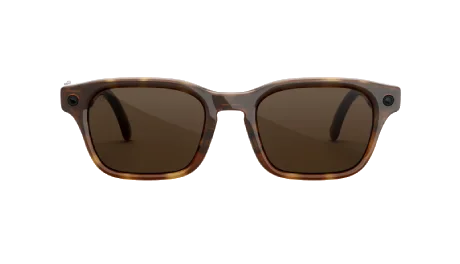
Meta has advanced its consumer artificial intelligence strategy with Muse, a personal AI agent that is reportedly outpacing early usage numbers seen by ChatGPT during its initial mobile launch. Plans for the technology include integration into smart glasses as well as a compact, Tamagotchi-style wearable device designed for daily consumer interaction.
Enterprise automation and funding
Beyond consumer hardware, enterprise software continues to attract substantial capital. Ema recently secured a $77 million funding round to support its platform, which deploys teams of artificial intelligence agents to automate routine workflows across human resources, IT, and finance departments. The company counts major enterprise firms like Google and Microsoft among its early customers.
Meanwhile, venture capital firms are continuing to adapt their institutional support structures. Andreessen Horowitz has launched the Horowitz Andreessen Academy to train aspiring founders, reflecting ongoing shifts in early-stage technology funding and founder development pathways.
Market movements
Hardware and device investments remain varied across the broader technology sector. Oura recently moved toward a $2.2 billion initial public offering, representing a notable liquidity event for existing stakeholders as wearable health technology matures within the consumer market.
Source: Original announcement
Worth a read?

Comments